Teh Dar · the bamboo circus · Hoi An, Vietnam
A Highland Ritual, Under a Bamboo Dome
Inside a dome woven from bamboo, the Central Highlands come alive: gongs pulse in the dark, poles bend and fling acrobats skyward, and dancers move a village through hunt, courtship and the endless turning of death into life. Teh Dar means 'going in circles' — a wordless hour that carries the folklore of Vietnam's mountain tribes into the round. Here's what the show stages, where it came from, and how it fits an evening in Hoi An.
Going in circles
Going in circles
A name from the mountains
Teh Dar means 'going in circles' in the language of the K'Ho, one of the ethnic-minority peoples of Vietnam's Central Highlands. The title is also the show's whole idea: life as a wheel that turns from birth to death and back again, danced out in the round beneath a woven bamboo dome. It's a 'bamboo circus' from Lune Production — the company behind À Ố Show, My Village and The Mist — that blends bamboo-pole acrobatics, aerial pole, contortion and juggling with the living music of the highland tribes. Less a variety act than a village conjured for an hour, it moves through hunt, harvest, courtship and mourning as one continuous, wordless cycle.
Bamboo as the whole language
In a Lune show the bamboo is never a prop off to one side — it's the set, the apparatus and the metaphor at once. Poles become the forest, then a springboard that launches acrobats into the air; baskets and ladders turn into huts, boats and hunting traps. The performers, many of them from ethnic-minority communities, throw and catch and balance these lengths of bamboo with a physicality that reads as both circus and ritual. It ties the spectacle to the material culture of the highlands, where bamboo builds the house, carries the water and makes the music, so that the medium and the story are the same thing.
Music you feel in the floor
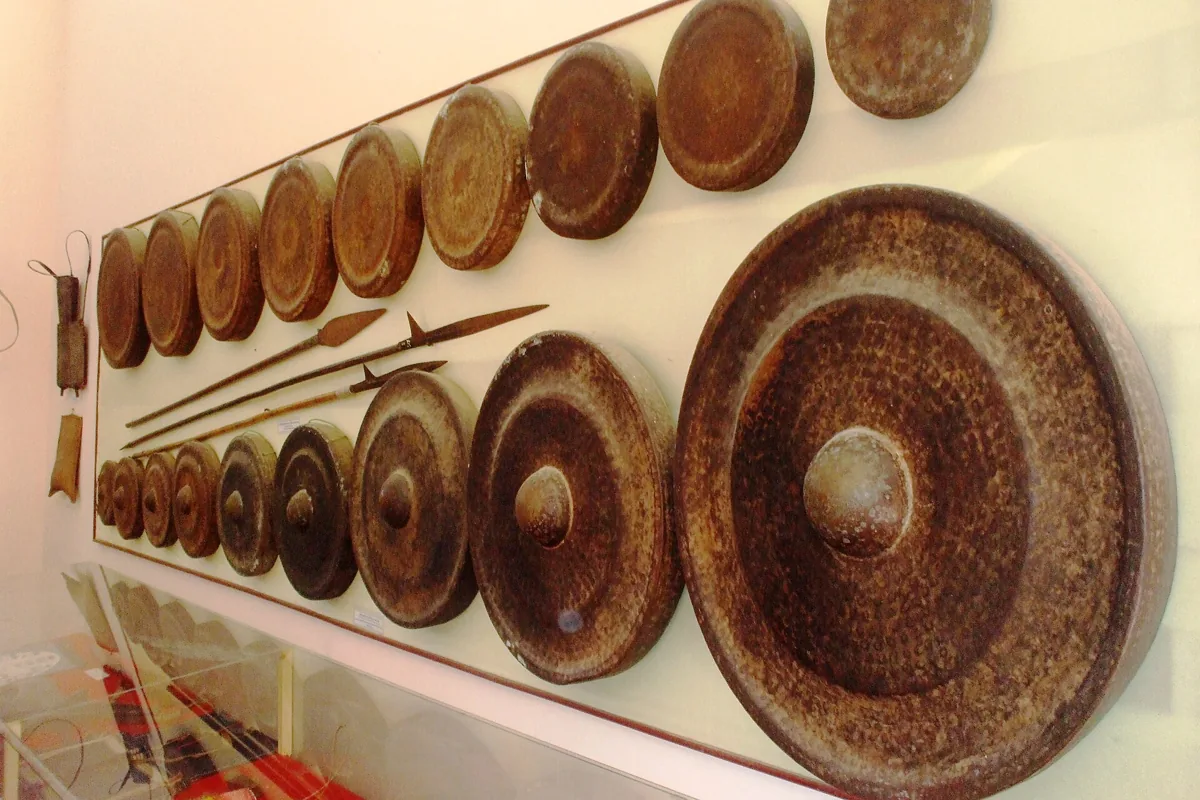
The heart of Teh Dar is its live Central Highlands music, played on instruments most visitors have never seen. The gong ensemble — Cong Chieng, recognised by UNESCO as a masterpiece of the region's culture — lays down a low, resonant pulse; the T'rung, a bamboo xylophone, ripples over the top; an elephant drum and a buffalo horn call the hunt. The score stages elephant hunts, forest folklore, moonlit courtship and the turning of death into rebirth, and because it's non-verbal you follow it through rhythm and movement rather than words. It's the sound of a place, not a language barrier — which is exactly why the show travels so well to an international audience.
The evening, scene by scene
The evening, scene by scene
Teh Dar turns in the round, one movement flowing into the next. Here are the moments you can expect across the hour.
- I
The village wakes
The opening: gongs in the dark, then the highland village stirring into being — figures gathering, the woven bamboo world taking shape around them. It sets the tone in sound and shadow, the Cong Chieng ensemble establishing the pulse the whole show will move to before the acrobatics begin.
- II
The bamboo takes flight
The circus heart of the night: poles become springboards and the forest at once, launching acrobats skyward, while baskets and ladders turn into huts and hunting traps. It's the set-piece that gives the 'bamboo circus' its name — physical, precise and unmistakably rooted in highland material culture.
- III
The tribal music core
The company gives the floor to the sound: the T'rung bamboo xylophone rippling over the gongs, the elephant drum and buffalo horn calling across the dome. Often the quiet, hypnotic centre of the evening — the moment the music of the Central Highlands steps fully forward and the room falls into its rhythm.
- IV
The moonlit courtship
A softer, human scene drawn from highland folklore — a courtship under the moon, the hunt and the harvest giving way to tenderness. It's the show's emotional turn, danced in the round, where the acrobatic energy resolves into something intimate before the cycle sweeps on.
- V
The turning finale
The close: the full company, bamboo and drums together, driving the cycle of death and rebirth to its climax — the wheel that gives Teh Dar its name coming full circle. It's the loudest, most spectacular moment of the night, the village and its whole cosmos on stage at once before the final bow.
How the seating tiers differ
The Lune Production family
| Show | City | The theme | Where it plays |
|---|---|---|---|
| Teh Dar | Hoi An | Central Highlands tribal ritual — hunt, courtship, death and rebirth | Hoi An Lune Center (bamboo dome) |
| À Ố Show | Ho Chi Minh City | Rural village life meeting the modern city | Saigon Opera House |
| My Village | Hanoi / touring | Bamboo, craft and daily life of a northern village | Touring / Hanoi stages |
| The Mist | Ho Chi Minh City | The wet-rice farming cycle, from planting to harvest | Ho Chi Minh City stages |
Choosing your ticket
Teh Dar is one show, but a few things about the ticket and the venue are worth knowing before you book.
Seating tiers, closer or further
The Lune Center is an intimate dome of about 299 seats, and tickets come in tiers — playfully named on some listings (AAH!, OOH!, WOW!) — that place you nearer or further from the round stage. In a room this small there's no bad seat, but the closer tiers put you right at the edge of the action, where the bamboo and the gongs are most physical. Check which tier you're booking so the price you pay matches the seat you're picturing.
It's non-verbal — no Vietnamese needed
Teh Dar tells its story through music, dance, acrobatics and bamboo, not dialogue, so there's no language barrier at all. Visitors of any nationality follow it easily; the folklore comes through in rhythm and movement. That makes it one of the most accessible evening experiences in Hoi An for international travellers — you don't need to read a programme to feel what's happening on stage.
Children under 5 aren't admitted
The show has a lower age limit: children under 5 are not admitted, in keeping with the seated, hour-long format and the acrobatic performance. Families with older children generally find it holds attention well — the flying bamboo and live drumming are vivid — but if you're travelling with a toddler, plan around the policy and check the specific listing's terms before booking.
A Da Nang-transfer version exists
Most people book the show alone and reach Hoi An under their own steam, but there's also a ticket variant that bundles a Da Nang round-trip transfer for travellers staying in the city up the coast. If you're based in Da Nang rather than Hoi An, that option saves arranging your own evening taxi — just make sure you're booking the transfer variant, not the show-only ticket, if that's what you need.
Which ticket is this?
Which ticket is this?
Teh Dar is a single show, but two things catch people out at booking — and both are easy to settle first.
Which ticket you're booking
The listings differ in two ways: how close your seat is in the bamboo dome, and whether the ticket includes a Da Nang transfer. In a 299-seat room every seat is close, but the top tiers put you at the very edge of the round; and if you're staying in Da Nang rather than Hoi An, the transfer variant saves arranging an evening taxi. Read the specific option before you pay so the seat, the tier and any transfer match what you want.
A venue that's part of the show
The Hoi An Lune Center isn't a generic theatre — it's a purpose-built dome clad in woven bamboo, echoing the material at the heart of the performance, right in Hoi An Ancient Town. Factor it into your evening: it pairs naturally with the lantern-lit old quarter and the riverside night market, and it's an easy walk or short ride from most of the town. Arrive with time to take in the architecture before the lights fall.
The order of the evening
A Teh Dar evening runs to a simple shape — arrive at the bamboo dome, settle in, and watch an unbroken hour unfold. Here's how the night falls.
- 01
Arrive at the Lune Center
The Hoi An Lune Center — the bamboo-clad dome that is itself part of the attraction — asks guests to arrive a little before the roughly 5:30pm start. It sits in Hoi An Ancient Town, so many people walk over from the old quarter. Come early enough to find the venue, take in the woven-bamboo architecture and be seated without rushing, because there's no interval once the show begins.
- 02
The lights fall, the gongs begin
The performance opens in near-dark with the low pulse of the Central Highlands gong ensemble, the highland world established before a single acrobat moves. From the first the music is live and on stage, not piped in — the players are part of the picture, and the sound is what pulls you into the village Teh Dar is about to conjure.
- 03
Bamboo, bodies and folklore
Across about sixty unbroken minutes the show cycles through its set-pieces: bamboo-pole acrobatics and aerial pole, contortion and juggling, danced scenes of the elephant hunt, moonlit courtship and the turning of the seasons. It's non-verbal throughout, so there's no dialogue to follow — the story lives in rhythm, gesture and the flight of the performers, building toward a full-company finale.
- 04
Out into the lantern light
The show lets out into a Hoi An that's at its best after dark. The Ancient Town's silk lanterns are lit, the night market is running along the river, and the whole old quarter glows — a natural second act to an evening that began under the bamboo dome. Many people fold Teh Dar into a wider night in Hoi An rather than heading straight back.
The highland evening, in pictures
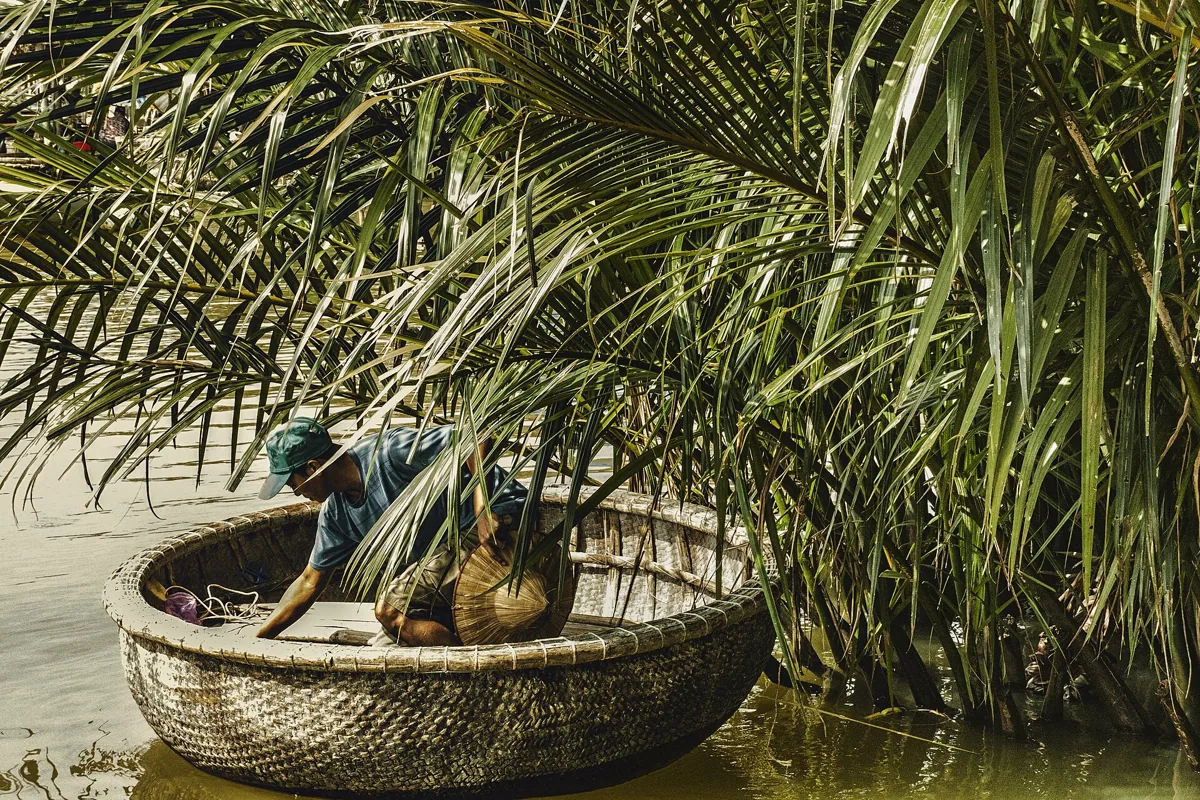
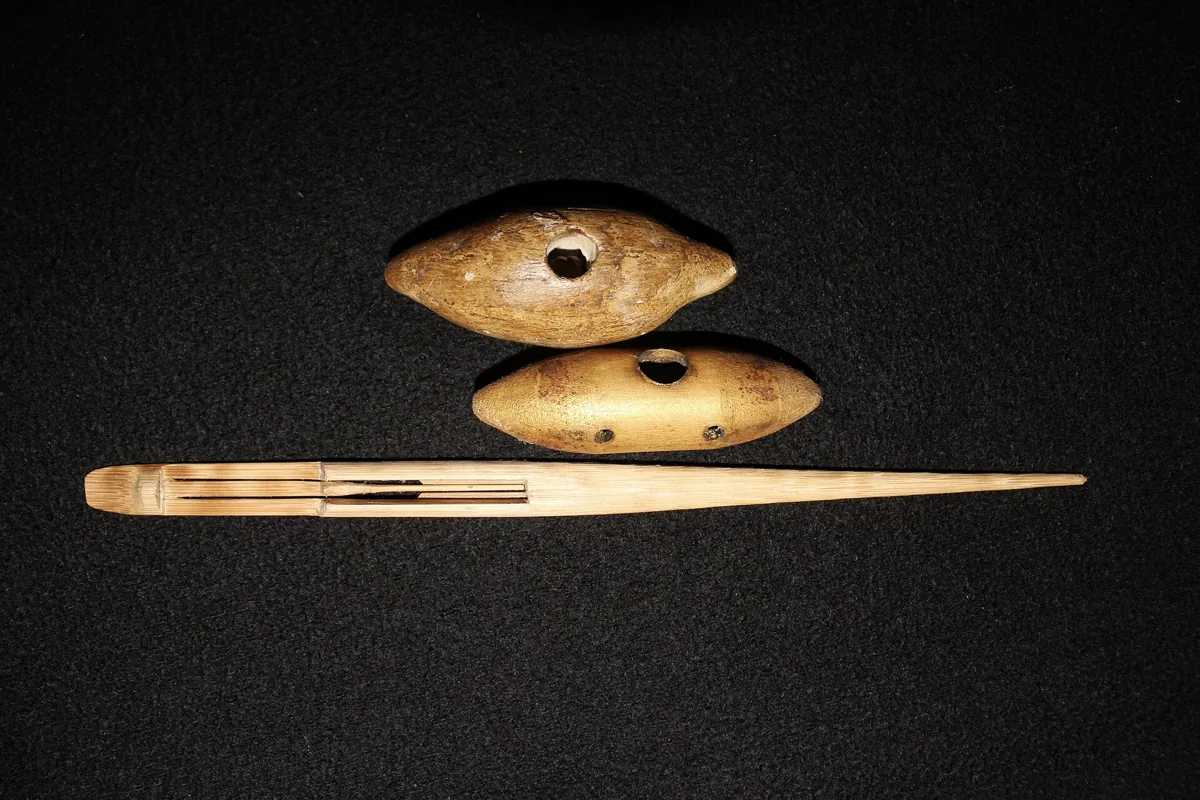
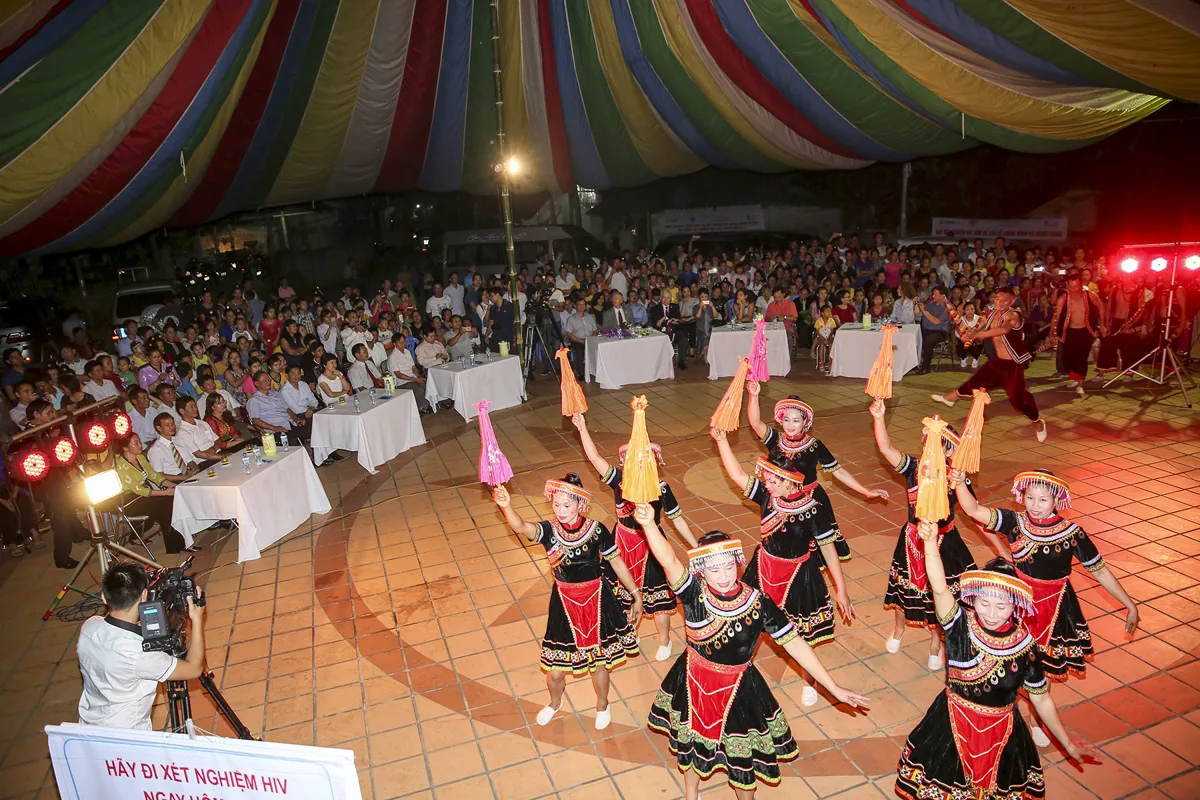
The gongs of the Central Highlands, the bamboo grove, the T'rung xylophone and the performers in highland dress.
When to go
Teh Dar is an indoor evening show that runs year-round, so the season shapes your wider Hoi An trip and how far ahead you should book more than the performance itself.
Dry season (Feb–May)
Hoi An's most comfortable months — warm, largely dry evenings ideal for pairing the show with a stroll through the lantern-lit Ancient Town. This is prime visiting weather and the town is busy, so book the show ahead, especially for the better tiers, and give yourself time to enjoy the old quarter before or after the performance.
Peak summer (Jun–Aug)
Hot and humid by day but fine for an indoor evening, summer brings the biggest international and domestic crowds to Hoi An. The bamboo dome is a welcome retreat from the heat, and the after-dark old town is at its liveliest. Seats and tiers go fastest in these months, so reserve early and aim for an earlier evening to beat the day's heat.
Wet season (Sep–Nov)
Central Vietnam's rainy months can bring heavy downpours and, in some years, flooding along the Hoi An riverfront. An indoor show is a natural rainy-evening plan, but keep an eye on the weather and your own transfers to the venue. The upside is thinner crowds and easier booking on shorter notice through this quieter stretch.
Cooler months (Dec–Jan)
Milder and sometimes wet, the turn of the year is quieter in Hoi An, which can make it the easiest time to get a good seat or a closer tier without booking far ahead. The show runs as usual indoors, and a warm bamboo dome and the lantern glow outside make a fitting cool-evening pairing. Expect the odd rainy night and plan transfers accordingly.
Teh Dar tickets & seating
Find a Teh Dar evening for your dates
Every option below is bookable through GetYourGuide, with live availability and the final price shown in your own currency before you pay — the Teh Dar bamboo circus at the Hoi An Lune Center, from standard seats to the closer tiers, and the version with a Da Nang transfer.
Planning your evening in Hoi An
Planning your evening in Hoi An
Pick your seat and any transfer first
Settle the ticket before you book: choose a seating tier — closer to the round stage or a little back — and decide whether you need the Da Nang-transfer variant. In a 299-seat dome there's no poor seat, but the top tiers sit right at the edge of the action. Read the specific listing's inclusions and start time so the price you pay matches the evening you're picturing, transfer and all.
Time it around the Ancient Town
The show starts around 5:30pm, which makes it a perfect hinge in a Hoi An evening: wander the old quarter in the late-afternoon light, catch Teh Dar, then step out into the lanterns and the night market afterward. Keep the start time in mind so you're at the Lune Center with time to spare, and leave the rest of the evening free to enjoy the town at its most magical, after dark.
Getting to the Lune Center
The Hoi An Lune Center is in Hoi An Ancient Town, walkable from much of the old quarter and a short taxi or bike ride from most hotels. Give yourself a margin in the early-evening bustle and aim to arrive before the roughly 5:30pm start. If you're staying up the coast in Da Nang, weigh the transfer-included ticket against arranging your own ride for the trip back after dark.
Check the age policy for young children
Teh Dar doesn't admit children under 5, so if you're travelling as a family, plan around that before booking. Older children usually love it — the flying bamboo, the drums and the acrobatics hold attention well without a word of dialogue to follow — but confirm the specific listing's age terms so no one is turned away at the door on the night.
Planning a Teh Dar evening
What Teh Dar Actually Is
The K'Ho meaning behind the name, the highland folklore it stages, and why it turns in circles.
Read more →THE ART FORMThe Bamboo Cirque, Explained
How Lune turned poles, baskets and ladders into an apparatus — and why bamboo carries the whole show.
Read more →THE COMPANYLune Production and the À Ố Family
The company behind Teh Dar, the shows it's related to, and how the Hoi An dome came to be.
Read more →THE MUSICThe Central Highlands Tribes and Their Instruments
The gong, the T'rung, the elephant drum and the buffalo horn — the sounds that drive Teh Dar.
Read more →THE EVENINGHoi An After Dark, Around the Show
How to build a Hoi An evening around a roughly 5:30pm start — lanterns, the night market and the riverside.
Read more →Questions
Teh Dar show questions
What is Teh Dar, and what actually happens on stage?
Teh Dar is a 'bamboo circus' by Lune Production, the company behind À Ố Show and My Village. Across about an hour with no interval it blends bamboo-pole acrobatics, aerial pole, contortion and juggling with live Central Highlands tribal music — gongs, the T'rung bamboo xylophone, elephant drum and buffalo horn — to stage highland folklore: elephant hunts, moonlit courtship and the cycle of death and rebirth. The name means 'going in circles' in the K'Ho language, and the whole piece turns in the round. It's danced and played, not spoken.
Do I need to understand Vietnamese to enjoy it?
No. Teh Dar is entirely non-verbal — it tells its story through music, dance, acrobatics and bamboo rather than dialogue — so there's no language barrier at all. Visitors of any nationality follow it easily; the folklore comes through in rhythm, gesture and the physical spectacle. That makes it one of the most accessible evening experiences in Hoi An for international travellers, with no programme reading required to feel what's unfolding on stage.
How long is the show, and is there an interval?
The performance runs roughly 60 minutes as one continuous piece, with no interval. It moves without a break from the opening gongs through the bamboo acrobatics, the music core and the folklore scenes to a full-company finale. Plan to arrive a little before the roughly 5:30pm start and be seated in good time, since the show is a single unbroken hour once it begins.
Where is it staged, and how do I get there?
Teh Dar plays at the Hoi An Lune Center, a purpose-built bamboo-clad dome of about 299 seats in Hoi An Ancient Town. It's walkable from much of the old quarter and a short taxi or bike ride from most hotels. Allow a margin in the early-evening bustle and aim to arrive before the start. If you're staying in Da Nang up the coast, there's a ticket variant that includes a round-trip transfer, which saves arranging your own ride back after dark.
Are there different seating tiers, and is one worth it?
Yes — tickets come in tiers that place you closer to or further from the round stage, playfully named on some listings. Because the Lune Center holds only around 299 seats, there really isn't a bad view, but the closer tiers put you at the very edge of the action, where the bamboo and the gongs feel most physical. Check which tier you're booking so the price matches the seat you want; in a room this intimate, standard seats are still excellent.
Is it suitable for children?
Children under 5 are not admitted, so it isn't a show for toddlers. Older children generally love it — the flying bamboo, live drumming and acrobatics are vivid and hold attention well, and because it's non-verbal there's no dialogue to follow. If you're travelling as a family, plan around the under-5 policy and check the specific listing's age terms before booking so no one is turned away at the door.